Aquincum Museum
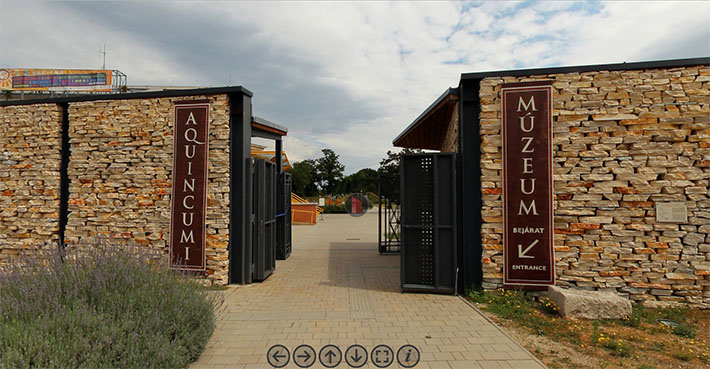
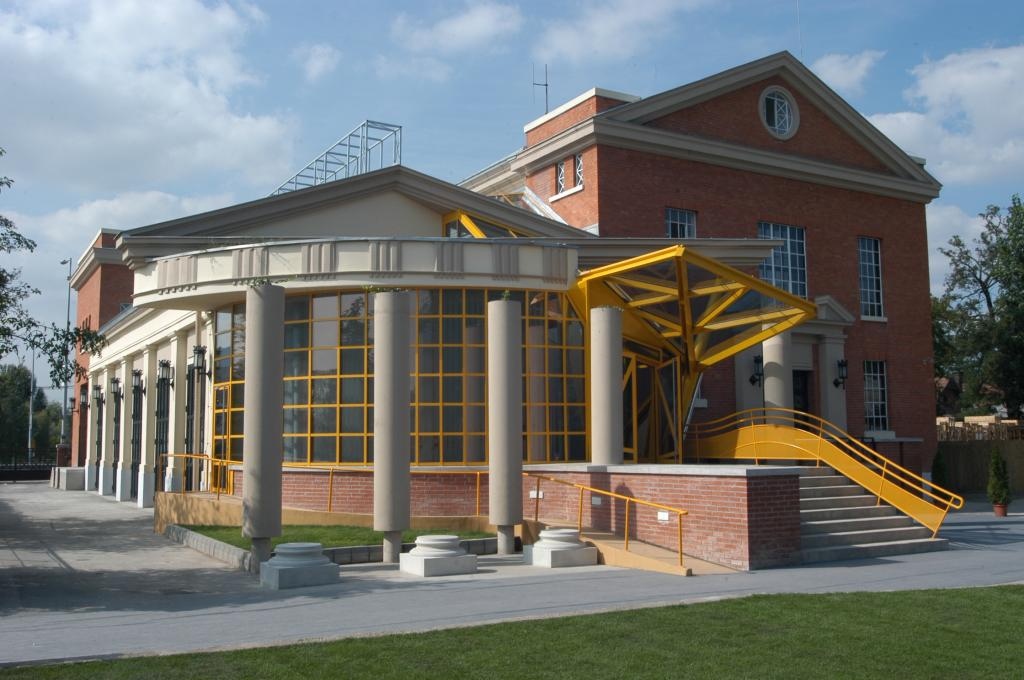
The Aquincum Museum is the largest museum in Hungary, an absolutely amazing world of archeology and interesting things. What do you imagine when you hear the word museum? Majestic buildings with huge halls? Have you ever visited an open-air museum? If not, and if you are interested in archeology, then you should visit the Aquincum Park Museum, which is located not only inside several buildings, but also outside – after all, it is an archeological museum.
The Aquincum Archeological Park Museum is the place where the historical development of Budapest and Hungary began. The unusualness of this attraction is that it goes far beyond the usual exhibition halls in museum buildings, because Aquincum is located in the open air, which brings new emotions and impressions to the excursion.
History of the city of Aquincum
The history of the archaeological park-museum in the form in which it can be seen by modern tourists goes back more than a century.
At the beginning of its history, this territory, inhabited by the Celtic people, was a defensive fortress, watching over the borders of Rome. After the Roman conquest, the settlement began to grow and soon turned into a city. It was divided into a military territory and a civilian part of the city.
On the garrison side, military units numbering up to six thousand people were located. And the civilian territory was inhabited by two thousand people, most of whom were merchants accompanying the garrison.
Over the years, Aquincum developed and in 106 BC was awarded the title of the capital of Pannonia. If at the beginning of its conquest, less than 10 thousand people lived in these lands, then in the 2nd century BC, the city’s population numbered 30-40 thousand citizens.
In the 3rd century, the town began to attract wealthy merchants and patricians who liked the local hot springs. These springs are now known to us as the Baths of Budapest.
The sights of that time have survived to this day, although not always in their original form.
The 4th century was the final stage in the life and development of the city, as it fell under the influence of barbarian raids and was destroyed.
History of the Aquincum Museum
Until the 18th century, no one suspected where the ruins of the Roman city of Aquincum were. In 1778, one of the residents of Budapest decided to dig a cellar near his house and came across a hypocaust, which in ancient times was part of the Roman heating system. Then there were guesses that this was the place where the ancient settlement was located.
Until 1880, individual historical monuments were found here, but systematic searches for artifacts began a little later.
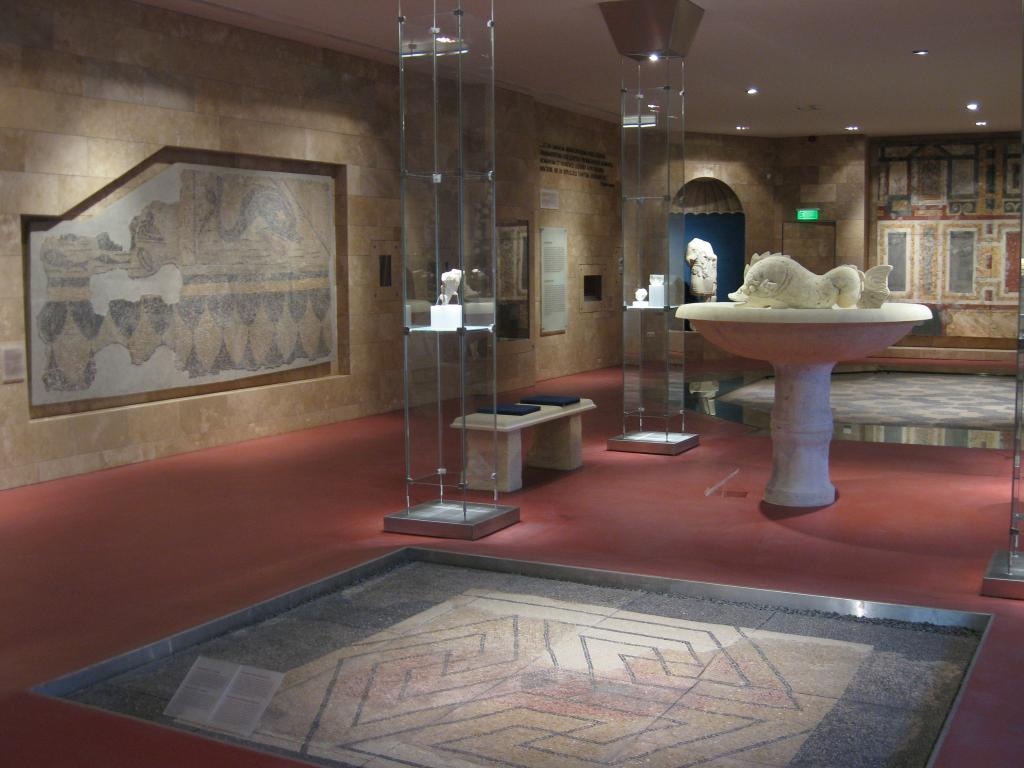
1894 is considered the year of the opening of the Aquincum Museum. During this time, new territories were opened and additional pavilions for exhibitions were built. By 1902, the number of historical artifacts and buildings found reached a large number and no longer fit into the halls of the built museum, there was a need to build a separate lapidarium outside the walls of the museum premises.
One of the most valuable exhibits of Aquincum is a portable water organ, which dates back to 228 BC. It was discovered by archaeologists during excavations in 1931 on the supposed territory of a civilian city.
At the beginning of the 20th century, archaeological research continues, bringing more and more historical artifacts. Restoration and completion of the museum premises are also underway. The Hungarians make big plans for the Aquincum Museum, but World War II makes its own adjustments.
In 1945, 5 bombs fall on the museum grounds, as a result of which almost half of the erected buildings turn into ruins.
Thanks to the help of the authorities and caring citizens, work began immediately to restore the historical landmark, the doors of the museum were reopened in 1948.
A significant year in the history of the open-air Aquincum Museum is 2002, when it was included in the UNESCO World Heritage List.
Our days
Our contemporaries often choose a tourist route that passes through the Aquincum Museum in order to satisfy their curiosity, since the exhibits presented here really deserve the attention of visitors.
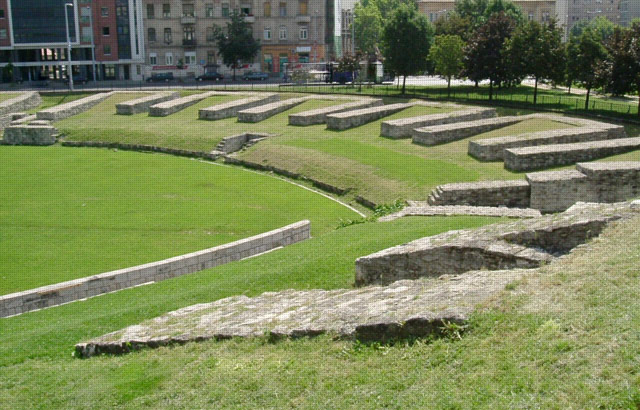
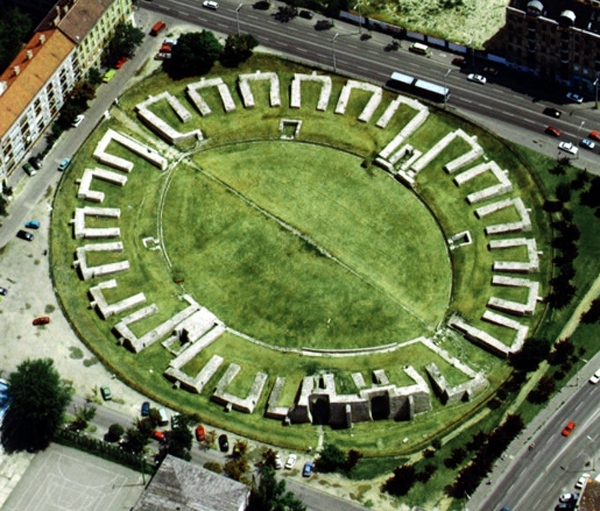
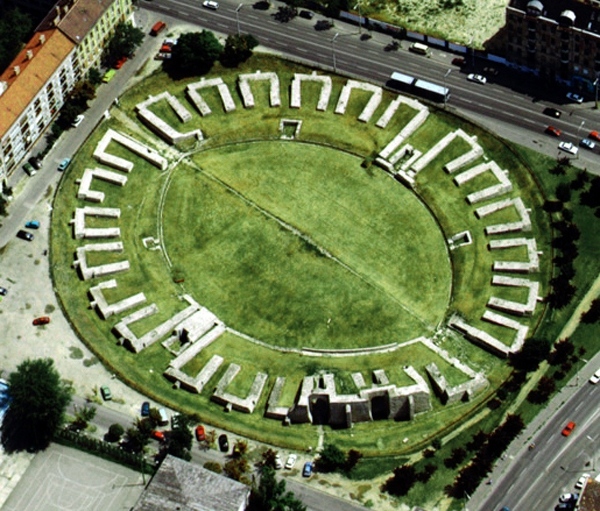
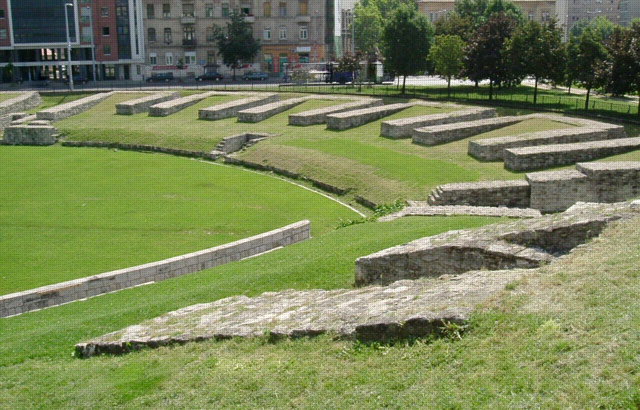
What are the ruins of the Great Military and Small Civil Amphitheaters alone, built in the 3rd century BC. An interesting fact, not so well known to ordinary passers-by, is that the Great Military Amphitheater exceeds the well-known Roman Colosseum in capacity. It is worth considering that the latter could accommodate 10 thousand people. Then what can we say about the scale of the Amphitheater of the Legionaries, as it was also called, preserved on the territory of the Aquincum Museum.
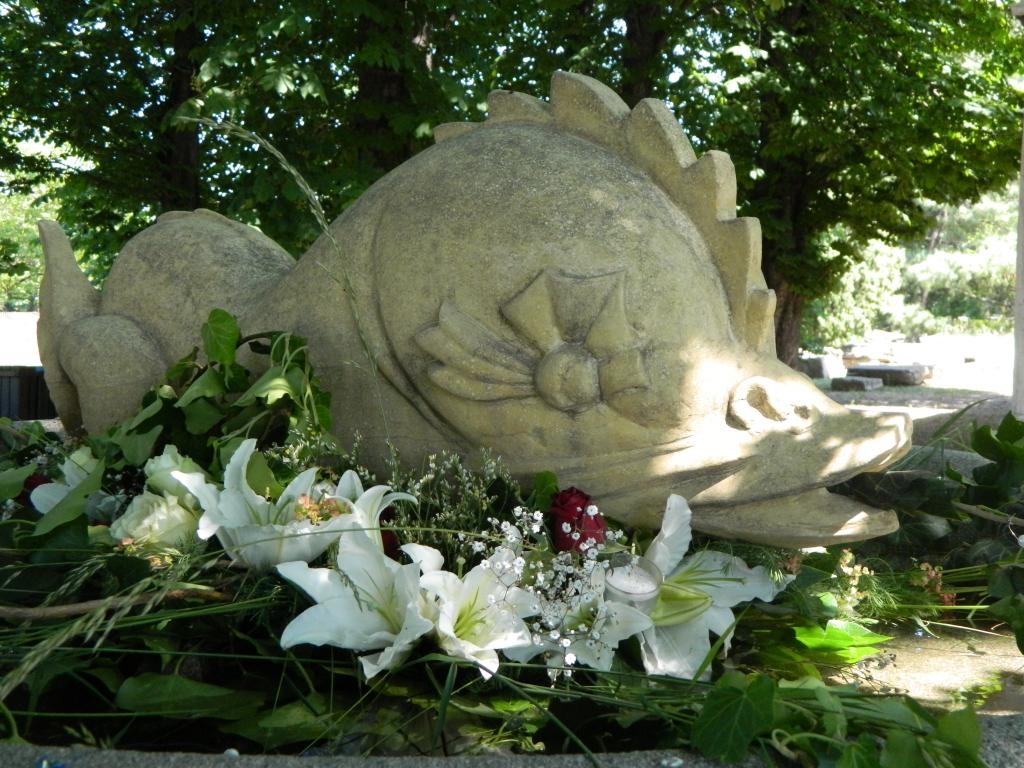
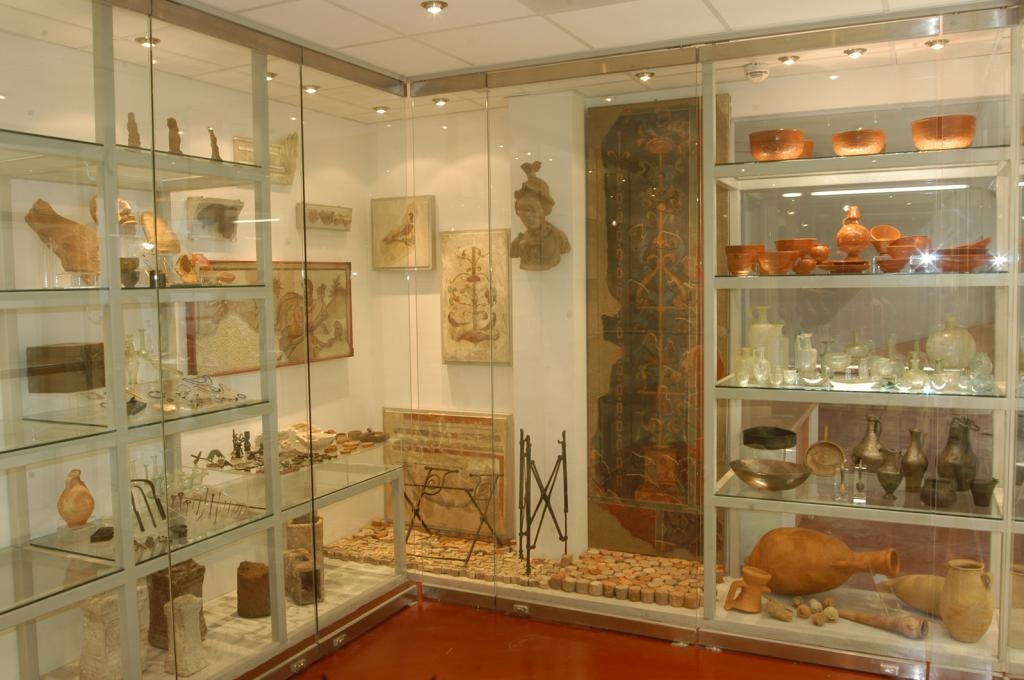
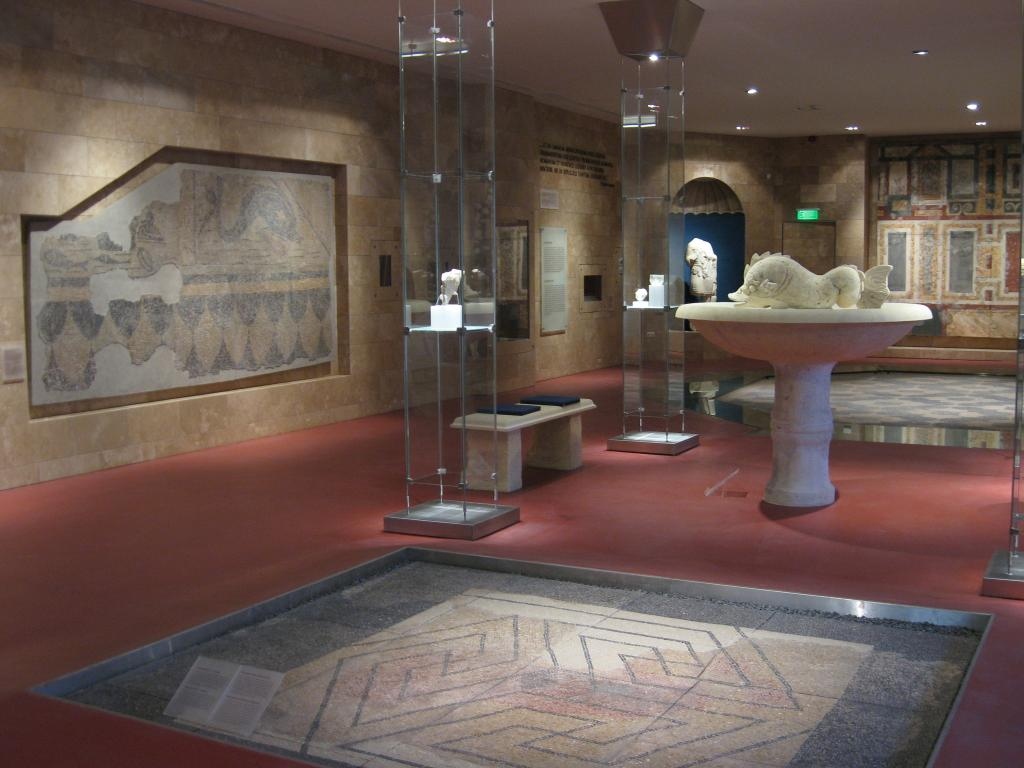
The Aquincum Museum presents a variety of historical exhibits: coins, jewelry, household items, utensils, pottery and jewelry. Also outside the walls of the museum halls you can look at the ruins left after the fall of this city, be transported for a while to that time and imagine what the streets and buildings were like.
Despite the fact that the park-museum is famous for its huge collection of interesting monuments that help us immerse ourselves in the atmosphere of past centuries, archaeological excavations continue to this time. Everyone who visits this interesting place will find something new for themselves and will be able to take a piece of history with them by buying unusual souvenirs.
Key facts about the Aquincum Archaeological Museum:
| Official name: | Aquincum |
|---|---|
| Location: | Szentendrei út 139 |
| How to reach: | Tram: station Aquincum felső megállóhely |
| Working time: | Tuesday – Sunday, 10:00-18:00 |
| Official website: | www.aquincum.hu |
Online map with the location of the Aquincum Museum: